
Osteopathic care to help you stay mobile and active
Pain or stiffness can gradually start to affect the things you normally take for granted, from working and driving to walking, exercising or gardening.
Osteopath Katie Nunn has more than 40 years’ clinical experience and practises in Sutton and Oxted. She combines hands-on treatment with straightforward advice, with the aim of helping you keep moving and doing the things that matter to you.

When pain or stiffness starts getting in the way
It’s easy to put up with an ache or stiffness for a while, particularly if you expect it to settle on its own. But when it keeps returning or starts affecting your work, sleep, walking or other everyday activities, you may decide it’s time to get some advice.
You don’t need to know exactly what’s causing the problem before making an appointment. Understanding what’s happening is part of the assessment.
Understanding what’s happening, not just where it hurts
Katie will listen to how your symptoms started, how they have changed and the effect they are having on you. She’ll assess the painful area and how you move, while considering other factors that may be relevant.
Your work, activity levels, exercise, previous injuries and the physical demands of everyday life can all form part of the picture.
Katie will explain what she finds and whether she thinks osteopathic treatment is appropriate for you.
Common reasons people come to see Katie
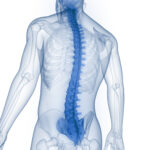
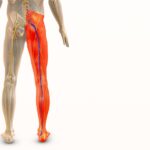
Back pain and sciatica
Back pain may be a short-lived problem or something that keeps returning and starts limiting what you do. Katie sees patients with different types of back pain as well as symptoms associated with sciatica.
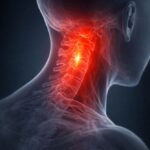
Neck pain and headaches
Neck pain and stiffness can make working, sleeping, driving and exercising uncomfortable. Some types of headache may also be associated with problems affecting the neck and surrounding muscles.
Hip and knee pain
Pain or stiffness in the hips and knees can make everyday movement and the activities you enjoy more difficult.
Hip and knee pain
Experienced hands. Honest advice.
Katie believes patients should understand what she has found, what treatment may realistically achieve and what they can do to help themselves.
She won’t encourage you to keep coming for treatment if she doesn’t think you need it. If your symptoms suggest that further investigation or another form of care would be more appropriate, she’ll tell you.
That straightforward approach has been shaped by more than 40 years of treating patients and seeing how differently people can respond to apparently similar problems.

Helping you stay active, strong and independent
Katie has a particular interest in helping people maintain their strength and mobility as they get older, so they can continue doing as much as possible for themselves and keep enjoying the activities that matter to them.
Treatment is only part of this. Advice about movement, exercise and strength may also be useful, giving you practical ways to look after yourself between appointments and beyond treatment.
My Personal Osteopathic Statement
My aim is to provide a friendly professional service for my patients. I recognise the importance of viewing the body as a whole, considering mechanical dysfunction alongside lifestyles which together can result in a breakdown of the body’s ability to cope, leading to an injury.
